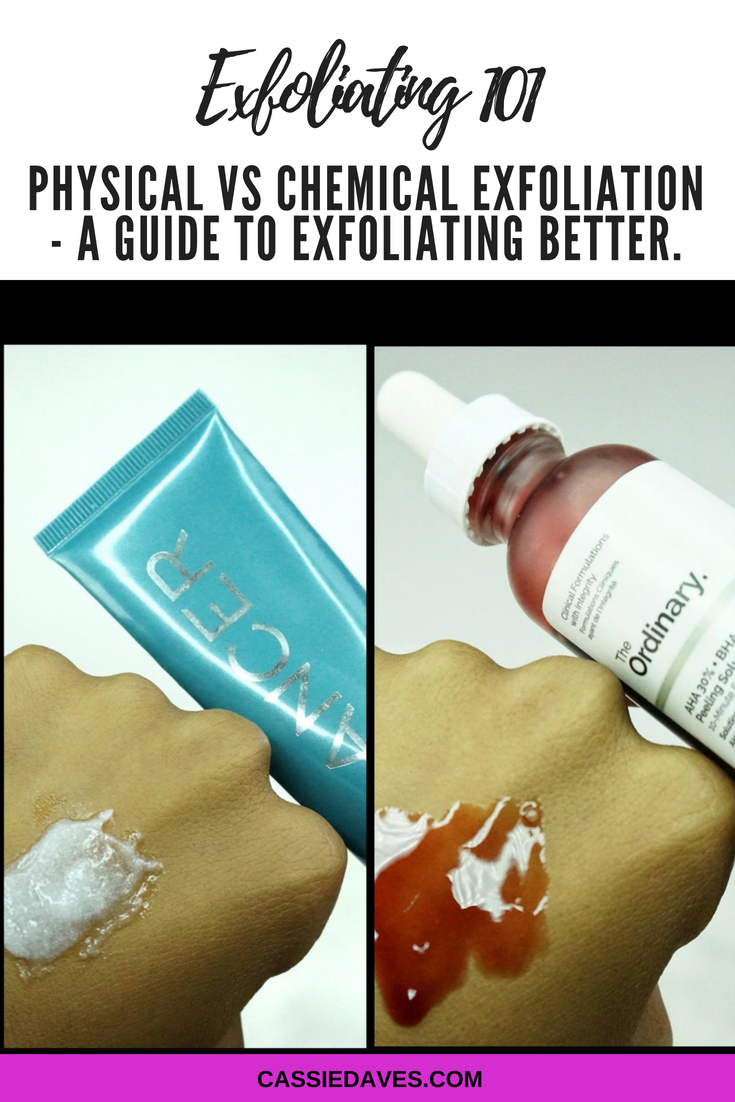
The key difference lies in their approach to removing dead skin cells. What is the difference between chemical and physical exfoliation? Chemical exfoliation uses chemical agents like AHAs and BHAs to dissolve dead skin cells, providing a deeper, more controlled exfoliation. In contrast, physical exfoliation uses scrubs or other abrasive tools for manual removal. The best choice depends on your skin’s sensitivity; individuals with sensitive skin often find chemical exfoliation gentler and more effective.
You may also refer to 敷完面膜還要擦乳液嗎?高效保濕的護膚秘訣!
- Chemical vs. Physical: Key Differences
- Understanding the Difference: Chemical vs. Physical Exfoliation
- Chemical vs. Physical: The Key Difference
- Chemical vs. Physical: The Choice?
- What is the difference between chemical and physical exfoliation? Conclusion
- What is the difference between chemical and physical exfoliation? Quick FAQ
Chemical vs. Physical: Key Differences
Understanding the core differences between chemical and physical exfoliation is crucial for choosing the right method for your skin. This boils down to how the exfoliation process works and its impact on your skin’s barrier.
Chemical exfoliation relies on the use of acids, such as AHAs (alpha-hydroxy acids) like glycolic and lactic acid, and BHAs (beta-hydroxy acids) like salicylic acid. These acids work by dissolving the bonds between dead skin cells, allowing for a more gradual and controlled removal. This process promotes cell turnover and reveals brighter, smoother skin. The benefit here is deeper exfoliation without the risk of micro-tears in the skin’s surface, which is a key advantage for those with sensitive skin.
In contrast, physical exfoliation involves the manual removal of dead skin cells using abrasive tools or scrubs. Think of those gritty face scrubs or even microdermabrasion treatments. This method relies on friction to physically scrub away the dead skin cells. While effective for some, physical exfoliation carries a higher risk of irritation and potential damage to the skin’s barrier, especially if done aggressively or with harsh products. This makes it less suitable for individuals with sensitive or acne-prone skin.
Let’s summarize the key differences:
- Mechanism: Chemical exfoliation uses acids to dissolve dead skin cells; physical exfoliation uses friction to remove them.
- Depth of Exfoliation: Chemical exfoliation generally offers deeper exfoliation.
- Skin Sensitivity: Chemical exfoliation is generally better suited for sensitive skin; physical exfoliation carries a higher risk of irritation.
- Potential for Damage: Physical exfoliation carries a higher risk of damaging the skin’s barrier.
Choosing between chemical and physical exfoliation depends entirely on your skin type and concerns. Careful consideration of these factors is key to achieving healthy, radiant skin.
Understanding the Difference: Chemical vs. Physical Exfoliation
To truly understand which exfoliation method is best for you, it’s crucial to delve deeper into how each process works and its effects on the skin. This understanding will help you make an informed decision that aligns with your skin’s unique needs and sensitivities. Remember, the goal is to achieve a healthy, radiant complexion, not to irritate or damage your skin.
Let’s break down the key distinctions:
- Chemical Exfoliation: This method uses chemical compounds, primarily alpha-hydroxy acids (AHAs) like glycolic and lactic acid, and beta-hydroxy acids (BHAs) like salicylic acid. These acids work by dissolving the bonds between dead skin cells, gently lifting them away to reveal smoother, brighter skin underneath. This process promotes cell turnover, reducing the appearance of fine lines, wrinkles, acne scars, and hyperpigmentation. Because it’s a gentler process, chemical exfoliation is often better tolerated by sensitive skin types.
- Physical Exfoliation: This involves the manual removal of dead skin cells using a scrub containing small particles, like beads, grains, or crystals. This method provides immediate gratification through the feeling of smoother skin, but it can be more abrasive and potentially damaging to the skin’s protective barrier if done incorrectly or too frequently. Physical exfoliants can also cause micro-tears, increasing the risk of irritation and inflammation, especially for individuals with sensitive or acne-prone skin.
Choosing the right method depends entirely on your skin type and concerns. Always start slowly with either method, using it less frequently initially to gauge your skin’s reaction. If you experience any irritation, redness, or discomfort, discontinue use and consult a dermatologist.
Chemical vs. Physical: The Key Difference
The fundamental distinction between chemical and physical exfoliation lies in how they remove dead skin cells. Understanding this difference is crucial for choosing the right method for your skin type and concerns. Chemical exfoliation uses acids, such as alpha-hydroxy acids (AHAs) like glycolic and lactic acid, and beta-hydroxy acids (BHAs) like salicylic acid. These acids dissolve the bonds that hold dead skin cells together, gently releasing them from the surface. This process promotes cell turnover, leading to smoother, brighter skin. In contrast, physical exfoliation relies on abrasive particles, such as microbeads or sugar granules, to manually scrub away dead skin cells. This method offers immediate gratification, but can be harsh, leading to irritation and even microscopic tears in the skin’s surface if not done carefully. The key difference, therefore, is the mechanism of exfoliation: dissolution versus abrasion.
Let’s break down the advantages and disadvantages further:
- Chemical Exfoliation: Advantages include deeper penetration, less irritation for sensitive skin, and improved skin texture and tone over time. Disadvantages might include initial dryness or sensitivity for some individuals, requiring gradual introduction and careful product selection.
- Physical Exfoliation: Advantages include immediate visible results and a more easily understood process. Disadvantages include the potential for irritation, micro-tears, and uneven exfoliation, making it less suitable for sensitive or acne-prone skin.
Remember, choosing the right exfoliation method is personal and depends heavily on your skin’s unique needs and sensitivities. Always patch test new products and start slowly to assess your skin’s reaction. Prioritizing gentle exfoliation practices, regardless of the method, will help you achieve healthy, radiant skin.
| Feature | Chemical Exfoliation | Physical Exfoliation |
|---|---|---|
| Mechanism | Dissolution of bonds between dead skin cells using acids (AHAs & BHAs) | Abrasion using particles (microbeads, sugar granules) to scrub away dead skin cells |
| Method | Application of chemical solutions | Manual scrubbing |
| Advantages | Deeper penetration, less irritation (for sensitive skin), improved texture & tone over time | Immediate visible results, easily understood process |
| Disadvantages | Initial dryness or sensitivity possible, requires gradual introduction | Potential for irritation, micro-tears, uneven exfoliation, less suitable for sensitive/acne-prone skin |
| Key Active Ingredients | Alpha-hydroxy acids (AHAs), Beta-hydroxy acids (BHAs) | Microbeads, sugar granules, other abrasive particles |
| Effect on Cell Turnover | Promotes cell turnover | Removes dead skin cells through abrasion |
Chemical vs. Physical: The Choice?
Choosing between chemical and physical exfoliation depends entirely on your skin type and sensitivity. This isn’t a one-size-fits-all answer, and understanding your skin’s needs is paramount for successful exfoliation and improved skin health. For individuals with sensitive skin, prone to redness or irritation, chemical exfoliation is generally the better option. The gentler, controlled action of acids like AHAs and BHAs allows for deeper exfoliation without the potential for micro-tears or inflammation that can accompany physical scrubs. Consider these factors when making your decision:
- Skin Sensitivity: Sensitive skin often reacts negatively to the friction of physical scrubs. Chemical exfoliants offer a less abrasive approach.
- Skin Conditions: Certain skin conditions, like acne or rosacea, may benefit more from one method over the other. Consult a dermatologist for personalized advice based on your specific needs.
- Desired Results: While both methods exfoliate, they target different concerns. Chemical exfoliation may be better suited for addressing fine lines, wrinkles, and hyperpigmentation, while physical exfoliation might be preferred for removing surface impurities.
- Frequency: The frequency of exfoliation depends on both the method and your skin’s response. Chemical exfoliants are often used less frequently than physical scrubs.
Remember, patch testing any new product – both chemical and physical exfoliants – on a small area of skin before applying it to your entire face is crucial to avoid unwanted reactions. Always follow product instructions carefully. Even with careful use, over-exfoliation can lead to irritation and damage, so start slowly and monitor your skin’s response.
What is the difference between chemical and physical exfoliation? Conclusion
So, what is the difference between chemical and physical exfoliation, and which method reigns supreme? The answer, as we’ve explored, isn’t a simple one. It’s not about declaring a winner, but understanding which approach best suits your unique skin type and concerns. Both chemical and physical exfoliation offer benefits, but they achieve those benefits through different mechanisms and carry varying levels of risk.
Chemical exfoliation, with its gentle dissolution of dead skin cells using acids like AHAs and BHAs, offers a deeper, more controlled exfoliation, making it particularly well-suited for sensitive skin. The controlled nature of this process minimizes the risk of irritation and skin barrier damage. This method is often favored for addressing concerns like fine lines, wrinkles, hyperpigmentation, and acne.
Physical exfoliation, while offering immediate gratification through the removal of surface impurities, carries a higher risk of irritation and potential damage if not performed correctly. Its abrasive nature can lead to micro-tears and inflammation, particularly problematic for sensitive or acne-prone skin. While effective for removing surface-level dead skin cells and impurities, it lacks the depth of exfoliation provided by chemical methods. This makes it a less desirable option for those with sensitive or compromised skin.
Ultimately, the best approach is a personalized one. Consider your skin’s sensitivity, your specific skincare goals, and always prioritize gentle techniques. If you’re unsure, consulting a dermatologist is highly recommended. They can assess your skin, discuss your concerns, and provide tailored advice to help you achieve a healthy, radiant complexion. Remember to always patch test new products before full application and start with less frequent exfoliation to allow your skin to adapt. The key is to find a method that works harmoniously with your skin, leading to improvement, not irritation.
What is the difference between chemical and physical exfoliation? Quick FAQ
What is the main difference between chemical and physical exfoliation?
The key difference lies in how they remove dead skin cells. Chemical exfoliation uses acids (like AHAs and BHAs) to dissolve dead skin cells, offering a deeper, more controlled exfoliation. Physical exfoliation uses scrubs or tools to mechanically remove dead skin cells through friction.
Which type of exfoliation is better for sensitive skin?
Chemical exfoliation is generally gentler and better suited for sensitive skin. Physical exfoliation, with its abrasive action, carries a higher risk of irritation and damage to the skin’s protective barrier for sensitive skin types.
How often should I exfoliate?
The frequency depends on your skin type, the type of exfoliant, and your skin’s reaction. Start slowly, perhaps once or twice a week, and observe your skin’s response. If you experience irritation, reduce the frequency. Always follow product instructions and consult a dermatologist if you have concerns.