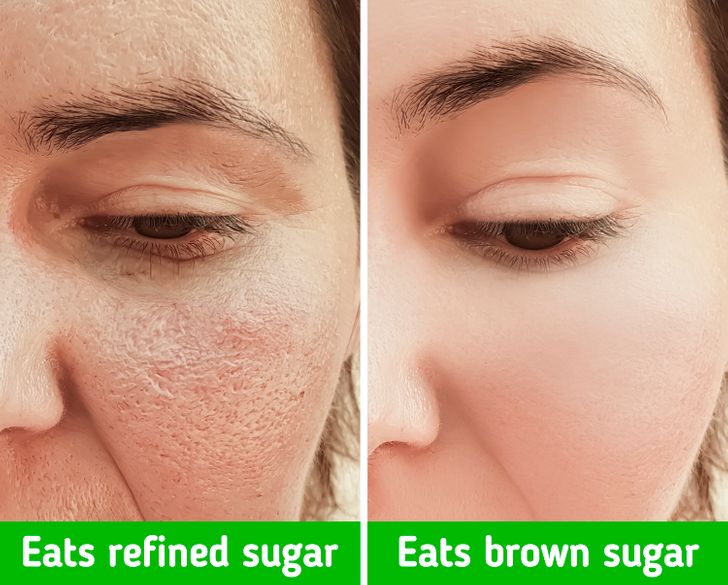
Understanding how to prevent clogged pores with proper skincare is crucial for achieving clear, healthy skin. This involves a three-pronged approach: thorough cleansing, ideally with a double cleansing method; regular exfoliation to remove dead skin cells that can contribute to blockages; and the consistent use of non-comedogenic products, indicated by product labeling, to avoid further pore clogging. Minimizing heavy makeup and oily moisturizers is also key. Following these steps will significantly improve your skin’s health and reduce the likelihood of breakouts.
You may also refer to 敏感肌防曬全攻略:專家教你挑選最適合你的安全防曬品
- Mastering Double Cleansing
- Exfoliate Smartly: Pore Prevention
- Choose Non-Comedogenic Products
- Prevent Clogged Pores: Skincare Guide – Lifestyle Choices
- How to prevent clogged pores with proper skin care Conclusion
- How to prevent clogged pores with proper skin care Quick FAQ
Mastering Double Cleansing
Double cleansing is a cornerstone of preventing clogged pores and achieving truly clear skin. It’s particularly effective at removing makeup, sunscreen, pollutants, and excess oil that accumulate throughout the day – all culprits in pore blockage. This method involves two steps, each designed to address different aspects of cleansing, and should be part of your nightly routine. By following these guidelines you are taking a significant step towards healthy, clear skin.
First, use an oil-based cleanser. This step is crucial for dissolving makeup, sunscreen, and sebum (your skin’s natural oil). The oil attracts and breaks down these oil-based impurities, lifting them from the pores without harsh scrubbing. Massage gently onto dry skin, paying attention to areas where makeup tends to accumulate, like the eyes and nose. Rinse thoroughly with lukewarm water, ensuring all traces of the oil cleanser are removed. This step is key to preventing clogged pores.
Second, follow up with a water-based cleanser. This cleanser will remove any remaining impurities, including dirt, sweat, and dead skin cells that the oil cleanser may not have fully addressed. Choose a gentle, non-comedogenic formula appropriate for your skin type. Lather gently, rinse thoroughly, and pat your skin dry with a clean towel. Remember, using the right cleansers for your skin type, and performing this double cleanse correctly will significantly impact your journey towards clearer skin. Regular and thorough cleansing prevents clogged pores.
Important Note: While double cleansing is beneficial for most skin types, those with extremely dry or sensitive skin may find a single, gentle cleanser sufficient. Listen to your skin and adjust your routine accordingly. The goal is to cleanse thoroughly without stripping your skin of its natural oils.
Exfoliate Smartly: Pore Prevention
Regular exfoliation is a cornerstone of preventing clogged pores and achieving clear skin. Think of it as a deep clean that goes beyond what cleansing alone can achieve. Dead skin cells, oil, and dirt can accumulate on your skin’s surface, contributing to pore blockages. Exfoliating gently removes this buildup, revealing brighter, healthier skin and preventing future breakouts. However, it’s crucial to do this smartly, to avoid irritation and damage.
Here’s what you need to know for effective, yet gentle exfoliation:
- Choose the right exfoliant: There are two main types: physical and chemical. Physical exfoliants, like scrubs, use tiny particles to physically remove dead skin cells. Chemical exfoliants, like AHAs (alpha-hydroxy acids) and BHAs (beta-hydroxy acids), use acids to dissolve dead skin cells. For acne-prone skin, BHAs like salicylic acid are often preferred as they penetrate pores to dissolve sebum and unclog them. Always follow product instructions carefully.
- Don’t over-exfoliate: Too much exfoliation can irritate your skin, leading to redness, inflammation, and even more breakouts. Start slowly, perhaps once or twice a week, and observe your skin’s reaction. Adjust the frequency accordingly. If your skin feels irritated, reduce the frequency or stop entirely.
- Gentle is key: Even with chemical exfoliants, remember to be gentle. Avoid harsh scrubbing, and always follow with a moisturizer to soothe and hydrate your skin. Remember that preventing clogged pores is about a balanced approach, not aggressive scrubbing.
- Listen to your skin: Pay attention to how your skin reacts to exfoliation. If you notice any signs of irritation, such as redness, dryness, or increased breakouts, reduce the frequency or stop exfoliating altogether. Your skin will thank you for it.
By incorporating a gentle exfoliation routine into your skincare regimen, you’ll be actively contributing to the prevention of clogged pores and promoting a clearer, healthier complexion. Remember to choose the right exfoliant for your skin type and always prioritize a gentle approach.
Choose Non-Comedogenic Products
Selecting the right skincare products is paramount for preventing clogged pores and maintaining clear skin. This means understanding and actively choosing non-comedogenic products. These products are specifically formulated to be less likely to clog pores, a crucial step in preventing breakouts and achieving a healthy complexion. Many individuals unknowingly use products that contribute to pore blockages, leading to acne and other skin issues.
To ensure you’re making the right choices, carefully examine product labels. Look for terms like “non-comedogenic” or “non-acnegenic,” which indicate the manufacturer’s commitment to minimizing pore-clogging ingredients. However, remember that even “non-comedogenic” products can cause issues for some individuals due to individual skin sensitivities. Always patch test new products on a small area of skin before applying them to your entire face. This allows you to monitor for any adverse reactions before committing to full application.
Beyond labels, consider the ingredients themselves. Oily ingredients like certain oils and butters can be problematic for those prone to breakouts. Pay close attention to ingredients like mineral oil, coconut oil, and lanolin, and consider whether these are right for your skin type. While these can be beneficial for dry skin, they can contribute to clogged pores for others. Opt for lighter, water-based moisturizers and serums, focusing on those with ingredients proven to be gentle and unlikely to block pores. Remember that consistency is key—using non-comedogenic products consistently will yield better results in the long run than occasionally using them.
“`html
| Feature | Description | Recommendation |
|---|---|---|
| Product Selection | Choose products labeled “non-comedogenic” or “non-acnegenic” to minimize pore clogging. | Actively seek out and select products with these labels. |
| Patch Testing | Always patch test new products on a small skin area before full application to check for adverse reactions. | Perform a patch test before widespread use. |
| Ingredient Awareness | Carefully examine ingredients. Oily ingredients like mineral oil, coconut oil, and lanolin can clog pores for some. | Pay close attention to ingredients; prioritize lighter, water-based products for sensitive skin. |
| Suitable Ingredients | Opt for lighter, water-based moisturizers and serums with gentle, pore-unclogging ingredients. | Choose lighter, water-based formulas. |
| Consistency | Consistent use of non-comedogenic products yields better results. | Maintain consistent use for optimal results. |
“`
Prevent Clogged Pores: Skincare Guide – Lifestyle Choices
Beyond your daily skincare routine, lifestyle factors significantly impact pore health and can help you prevent clogged pores. Making mindful choices in these areas can complement your cleansing, exfoliation, and product selection, creating a holistic approach to clear skin.
Consider these key lifestyle adjustments:
- Dietary choices: A balanced diet rich in fruits and vegetables, low in processed foods and sugar, can improve overall skin health. Some studies suggest a link between high-glycemic diets and acne, highlighting the importance of mindful eating for preventing clogged pores.
- Hydration: Drinking plenty of water helps flush out toxins and keeps your skin hydrated, which can indirectly support a healthier complexion and prevent clogged pores. Dehydrated skin can become more prone to dryness and irritation, potentially leading to clogged pores.
- Stress management: Stress can exacerbate skin conditions. Incorporating stress-reducing activities like exercise, yoga, or meditation can improve your overall well-being and contribute to healthier skin.
- Sleep hygiene: Aim for 7-9 hours of quality sleep each night. Adequate sleep allows your skin to repair itself and reduces the likelihood of breakouts, thus aiding in preventing clogged pores.
- Makeup removal: Always remove makeup thoroughly before bed. Leaving makeup on overnight traps dirt, oil, and bacteria, increasing the risk of clogged pores.
- Sun protection: Daily sunscreen use protects your skin from sun damage, which can worsen acne and other skin conditions. It’s important for overall skin health and can play a role in preventing clogged pores.
By implementing these lifestyle modifications alongside a consistent skincare routine, you can take a proactive and comprehensive approach to prevent clogged pores and achieve healthier, clearer skin. Remember that consistency is key to seeing results. Be patient with yourself and your skin, and don’t hesitate to seek professional advice if needed.
How to prevent clogged pores with proper skin care Conclusion
In conclusion, mastering how to prevent clogged pores with proper skin care is a journey, not a destination. It requires a multifaceted approach that combines a consistent skincare routine with mindful lifestyle choices. We’ve explored three key pillars: thorough cleansing (including the transformative power of double cleansing), regular yet gentle exfoliation to remove dead skin cells, and the consistent use of non-comedogenic products to avoid pore blockages. These actions, coupled with lifestyle adjustments like maintaining a healthy diet, managing stress, and prioritizing sleep, create a robust strategy for clearer, healthier skin.
Remember, consistency is crucial. Don’t get discouraged if you don’t see immediate results. Give your skincare routine time to work its magic. Listen to your skin, adjust your approach as needed, and celebrate the small victories along the way. Each step you take towards a consistent routine is a step closer to achieving your goal of clear, healthy skin. If you have specific concerns or persistent issues, consulting a dermatologist can provide personalized guidance and address any underlying conditions contributing to clogged pores.
Ultimately, how to prevent clogged pores with proper skin care boils down to understanding your skin’s unique needs and creating a personalized plan that caters to those needs. By incorporating the advice outlined in this guide, you’re investing in the long-term health and beauty of your skin. Start today, and embrace the journey to clearer, healthier skin.
How to prevent clogged pores with proper skin care Quick FAQ
What is the best way to exfoliate my skin to prevent clogged pores?
The best way to exfoliate depends on your skin type and sensitivity. For acne-prone skin, a chemical exfoliant containing BHAs like salicylic acid is often preferred, as it penetrates pores to dissolve sebum. For other skin types, a gentle physical exfoliant (scrub) can be used, but be cautious not to over-exfoliate. Start with once or twice a week and increase frequency only if your skin tolerates it well. Always follow with a moisturizer. Remember, gentle is key, and listen to your skin; any irritation signals you to reduce frequency or stop.
I use non-comedogenic products, but I still get clogged pores. What else could be contributing?
Even with non-comedogenic products, several other factors can contribute to clogged pores. Consider your cleansing routine – are you double cleansing thoroughly to remove all makeup, sunscreen, and oil? Lifestyle factors also play a significant role. A diet high in processed foods and sugar, insufficient water intake, stress, lack of sleep, and neglecting to remove makeup completely can all contribute to pore blockages. Review your diet, lifestyle, and cleansing technique to identify potential areas for improvement.
How often should I double cleanse, and what type of cleansers should I use?
Double cleansing is ideally performed nightly. The first cleanse should be with an oil-based cleanser to dissolve makeup, sunscreen, and sebum. The second cleanse, using a water-based cleanser, removes any remaining impurities. Choose gentle, non-comedogenic formulas appropriate for your skin type. Those with extremely dry or sensitive skin might find a single, gentle cleanser sufficient. Always listen to your skin’s needs and adjust accordingly. The goal is thorough cleansing without stripping your skin’s natural oils.