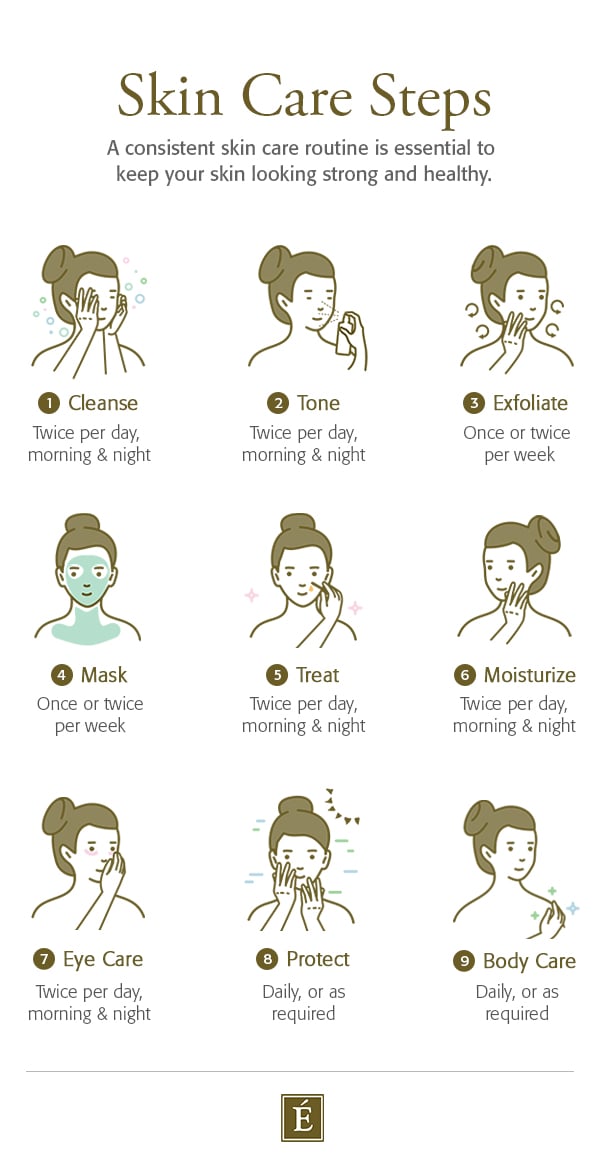
Achieving a balanced complexion when you have combination skin requires a strategic approach. Mastering skin care skills for managing combination skin involves understanding the unique needs of both oily and dry areas. This means employing a gentle cleansing routine across the entire face, followed by lightweight moisturization to avoid overwhelming dry patches while simultaneously controlling oil production in the T-zone (forehead, nose, and chin). Targeted treatments, such as clay masks for the T-zone and hydrating serums for drier areas, are essential components of this balanced approach.
You may also refer to 臉部角質多久去一次?依膚質調整頻率,油肌建議每週1-2次
- Mastering Combination Skin Care
- Refine Your Skin Care Skills
- Advanced Skills for Combination Skin
- Enhance Your Skin Care Skills
- Skin care skills for managing combination skin Conclusion
- Skin care skills for managing combination skin Quick FAQ
Mastering Combination Skin Care
Mastering combination skin care requires a nuanced approach that addresses the conflicting needs of oily and dry areas simultaneously. It’s about finding the right balance, not just treating one concern at the expense of another. This involves choosing products carefully and understanding how to apply them effectively. For example, a lightweight, oil-free moisturizer is crucial for preventing shine in oily areas, like the T-zone (forehead, nose, and chin). Simultaneously, you need to provide sufficient hydration to dry areas, often found on the cheeks and around the eyes, using a hydrating serum. This targeted approach prevents over-drying dry areas while keeping the oily areas under control. Remember, consistent application of the right products is key to seeing results. Don’t be afraid to experiment to find what best suits your skin, but always prioritize gentle, non-comedogenic products to avoid exacerbating imbalances.
Here’s a breakdown of essential steps:
- Gentle Cleansing: Use a mild, non-foaming cleanser to avoid stripping your skin of its natural oils.
- Targeted Treatments: Incorporate clay masks for the T-zone to absorb excess oil and reduce shine, while hydrating serums are applied to drier patches to restore moisture balance.
- Lightweight Moisturizing: Choose a moisturizer formulated for combination skin, focusing on lightweight formulas that won’t clog pores or add unnecessary oil to oily areas.
By following this strategy and being mindful of your skin’s unique needs, you’ll be well on your way to mastering combination skin care and achieving a healthier, more balanced complexion. Remember that patience is vital; it takes time to see significant improvements.
Refine Your Skin Care Skills
To truly refine your skin care skills for combination skin, focus on tailored approaches rather than a one-size-fits-all strategy. This means understanding the unique needs of both your oily and dry areas. Remember, balance is key. A successful routine incorporates products that address both concerns simultaneously, without overwhelming or stripping your skin. Here’s how to refine your approach:
-
Gentle Cleansing: Opt for a lightweight, creamy cleanser that avoids harsh sulfates. These cleansers effectively remove impurities without disrupting your skin’s natural barrier, especially important for dry patches. Avoid over-washing, which can exacerbate dryness and trigger more oil production.
-
Targeted Hydration: Don’t apply the same moisturizer to your entire face. Utilize a lightweight moisturizer on oily areas (T-zone) and a richer, hydrating serum or cream on drier areas (cheeks, etc.). This ensures adequate hydration where needed, preventing both dryness and excess oil.
-
Strategic Masking: Clay masks are your best friend for oil control. Apply a clay mask to your T-zone 1-2 times a week to absorb excess sebum and minimize the appearance of pores. Follow up with a hydrating serum or moisturizer to balance your skin’s hydration levels.
-
Listen to Your Skin: Pay close attention to how your skin responds to different products. If you experience any irritation or worsening of dryness or oiliness, adjust your routine accordingly. Skincare is a journey of discovery, and what works for one person may not work for another.
Advanced Skills for Combination Skin
Once you’ve mastered the basics of cleansing and moisturizing, you can move on to more advanced techniques for managing combination skin. This involves understanding the specific needs of your different skin zones and tailoring your skincare routine accordingly. For example, you might find that your T-zone requires more frequent cleansing and oil control, while your cheeks benefit from extra hydration. This targeted approach is crucial.
Consider incorporating advanced skincare ingredients. For the oilier areas, ingredients like salicylic acid or niacinamide can help regulate sebum production and prevent breakouts. These can be found in targeted treatments like serums or spot treatments. For drier areas, consider incorporating ingredients like hyaluronic acid, ceramides, or glycerin to attract and retain moisture. Remember to always patch test new products before applying them to your entire face.
Think about adding these advanced steps to your routine:
- Chemical exfoliation (once or twice a week): Gentle chemical exfoliants like AHAs (alpha-hydroxy acids) or BHAs (beta-hydroxy acids) can help improve skin texture, reduce breakouts, and promote cell turnover. Remember to always follow the product instructions carefully, particularly on sensitive skin.
- Targeted masking: Use clay masks on the oily T-zone to absorb excess sebum and hydrating sheet masks on drier areas to replenish moisture. This allows you to address the unique needs of each zone effectively.
- Nighttime repair: A richer night cream or sleeping mask can provide intense hydration overnight, particularly beneficial for drier areas of the face that may feel tight or dehydrated after a day of cleansing and treatments. This will complement your daytime routine, allowing for a balanced approach.
By incorporating these advanced techniques, you can create a highly personalized skincare regimen that effectively addresses the diverse needs of combination skin, leading to a clearer, healthier, and more balanced complexion.
| Step | Action | Target Area | Ingredients |
|---|---|---|---|
| Advanced Cleansing | More frequent cleansing for T-zone; less frequent for cheeks. | T-zone (oily); Cheeks (dry) | – |
| Targeted Treatments | Use serums or spot treatments. | Oily areas; Dry areas | Oily: Salicylic acid, Niacinamide Dry: Hyaluronic acid, Ceramides, Glycerin |
| Chemical Exfoliation | Once or twice a week. | Entire face | AHAs (alpha-hydroxy acids) or BHAs (beta-hydroxy acids) |
| Targeted Masking | Clay masks for oily areas, hydrating sheet masks for dry areas. | T-zone (oily); Cheeks (dry) | Clay masks; Hydrating sheet masks |
| Nighttime Repair | Use a richer night cream or sleeping mask. | Dry areas | – |
| Note: Always patch test new products before full application. | |||
Enhance Your Skin Care Skills
Beyond the basics, enhancing your skincare routine for combination skin involves a strategic approach to product layering and timing. This is where you truly personalize your regimen. Consider introducing a chemical exfoliant, such as a low-concentration AHA or BHA, one to two times a week. This helps to gently remove dead skin cells, preventing clogged pores in the oilier areas while simultaneously improving skin texture and promoting hydration across the face. Remember to always follow with a hydrating serum and moisturizer to replenish moisture lost during exfoliation. Don’t forget sun protection! Even with targeted treatments, consistent use of a broad-spectrum sunscreen with an SPF of 30 or higher is crucial to protect your skin from sun damage, which can exacerbate imbalances in combination skin.
To further enhance your skills:
- Listen to your skin: Pay attention to how your skin reacts to different products and adjust your routine accordingly. If a product causes irritation or breakouts, discontinue its use.
- Introduce targeted treatments strategically: Apply oil-controlling treatments like clay masks only to the T-zone, avoiding drier areas. Likewise, focus hydrating serums and rich moisturizers on the cheeks and other dry patches.
- Be patient: Seeing significant improvements takes time. Consistency is key; stick with your routine for at least a few weeks before evaluating its effectiveness.
Skin care skills for managing combination skin Conclusion
Mastering skin care skills for managing combination skin is a journey, not a race. It involves understanding your skin’s unique needs, embracing a tailored approach, and patiently refining your routine over time. Remember, consistency is key. By diligently following a well-structured routine that addresses both oily and dry areas, you’ll be well on your way to achieving a balanced, healthy complexion. Don’t be discouraged by initial setbacks – adjusting your routine based on your skin’s response is a vital part of the process.
This guide has provided a comprehensive framework for developing effective skin care skills. From mastering the basics of gentle cleansing and targeted treatment to incorporating advanced techniques and personalized approaches, you now possess the knowledge to create a skincare regimen uniquely suited to your combination skin. The ultimate goal is not perfection, but a healthy balance—a radiant, even-toned complexion that reflects your understanding and care for your skin.
Let’s recap the essential elements for success:
- Gentle, yet effective cleansing: A mild cleanser forms the foundation of your routine.
- Targeted treatments: Clay masks for oil control and hydrating serums for dry areas are essential.
- Lightweight moisturization: Choose a moisturizer suited to combination skin.
- Strategic product layering: Apply products strategically to address each skin zone’s needs.
- Patience and observation: Pay close attention to your skin’s responses and adjust accordingly.
By continuously learning and adapting your approach, you’ll not only improve the condition of your combination skin but also cultivate a deeper understanding of your own skin’s unique needs. Embrace the ongoing learning process, and enjoy the rewarding journey towards achieving a clearer, more balanced complexion. Your dedication to understanding and mastering skin care skills for managing combination skin will be handsomely rewarded.
Skin care skills for managing combination skin Quick FAQ
What’s the best way to cleanse combination skin?
For combination skin, gentle cleansing is key. Avoid harsh, foaming cleansers that can strip your skin of its natural oils, leading to increased oil production and dryness. Opt for a mild, creamy, or gel cleanser that effectively removes impurities without disrupting your skin’s barrier. Focus on a gentle, non-abrasive cleansing method, and avoid over-cleansing, which can worsen both oiliness and dryness.
Should I use the same moisturizer all over my face?
No. Combination skin requires a targeted approach to moisturizing. Use a lightweight, oil-free moisturizer on your T-zone (forehead, nose, and chin) to control shine. For drier areas like your cheeks, use a richer, more hydrating serum or cream to provide the necessary moisture without causing breakouts in the oilier zones. This dual approach ensures that both dry and oily areas receive the care they need.
How often should I use clay masks?
Clay masks are excellent for oil control, especially for the T-zone. However, overuse can lead to dryness. Aim for using a clay mask once or twice a week, depending on your skin’s response. Always follow with a hydrating serum or moisturizer to balance your skin’s hydration levels. If you find your skin feeling tight or dry after using a clay mask, reduce the frequency of application.