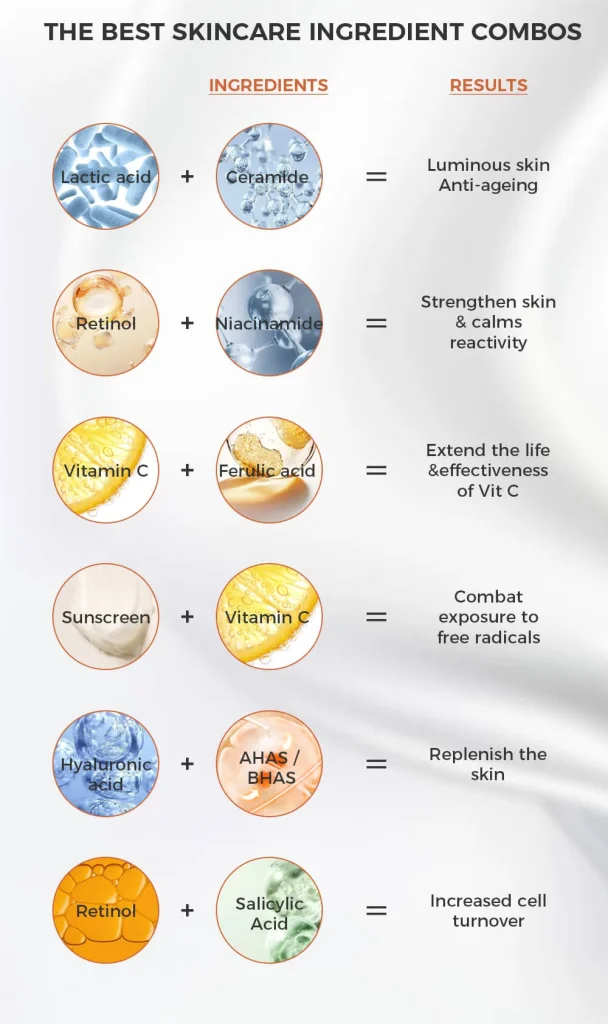
Effective skincare relies on understanding the power of active ingredients. What are active ingredients in skin care products? They are the key components that directly target specific skin concerns, such as acne, aging, and hyperpigmentation. Examples include salicylic acid, which combats acne; retinol, which addresses signs of aging; and niacinamide, which helps with hyperpigmentation. Proper usage, as advised by a professional, is essential for maximizing benefits and minimizing potential irritation.
You may also refer to 吃什麼可以快速美白?由內而外的美白攻略!
- Understanding Active Ingredients
- Active Ingredients: A Closer Look
- Active Ingredients: Unveiled
- Active Ingredients: The Essentials
- What are active ingredients in skin care products? Conclusion
- What are active ingredients in skin care products? Quick FAQ
Understanding Active Ingredients
To build an effective skincare routine, understanding active ingredients is paramount. These aren’t just buzzwords; they’re the powerhouses that drive visible results. Knowing how they work and their potential interactions is key to achieving your skincare goals, whether it’s tackling acne, minimizing wrinkles, or addressing hyperpigmentation. This understanding allows you to choose products that specifically target your individual skin concerns, ultimately leading to a more effective and efficient skincare journey. Remember, even the best active ingredients need to be used correctly to avoid irritation. Always consult a dermatologist to determine the best approach for your skin type and concerns.
Let’s explore the importance of understanding these powerful components:
- Targeted Action: Active ingredients deliver specific benefits. For example, salicylic acid excels at unclogging pores and treating acne, while retinol stimulates collagen production to reduce wrinkles. Understanding this targeted action lets you select products that precisely address your needs.
- Avoiding Interactions: Certain active ingredients can interact negatively, potentially causing irritation or reducing efficacy. For instance, combining high-strength retinol with potent exfoliants can lead to excessive dryness and sensitivity. Knowledge helps prevent such issues.
- Optimal Results: Proper usage, informed by an understanding of the ingredients, is crucial. Using an active ingredient at the correct concentration and frequency significantly impacts results. This knowledge empowers you to optimize your routine for maximum benefit.
- Personalized Approach: Skin is complex and unique. Understanding active ingredients enables you to personalize your routine to meet your skin’s specific demands, leading to a more customized and effective approach to skincare. This personal approach considers factors like skin type, sensitivities, and individual concerns.
Active Ingredients: A Closer Look
Now that we understand the fundamental role of active ingredients in effective skincare, let’s delve deeper into some key players and their specific applications. Remember, consulting a dermatologist for personalized advice is crucial before incorporating any new active ingredient into your routine, as individual skin types react differently. Proper usage, as recommended by a dermatologist, is essential for optimal results and minimizing potential irritation. This is especially important with potent ingredients that may cause sensitivity in some individuals.
- Retinoids (including Retinol): These are vitamin A derivatives that are highly effective for addressing signs of aging, such as wrinkles, fine lines, and uneven texture. They increase cell turnover, stimulating collagen production and improving skin tone. However, they can cause initial irritation and increased sun sensitivity, so gradual introduction and sun protection are vital.
- Salicylic Acid (BHA): This beta-hydroxy acid is a powerful exfoliant that effectively treats acne by unclogging pores and reducing inflammation. It’s particularly beneficial for individuals with oily or acne-prone skin. It’s important to use it as directed, avoiding overuse which can lead to dryness or irritation.
- Niacinamide (Vitamin B3): A versatile ingredient with multiple benefits, niacinamide tackles hyperpigmentation, reduces redness, minimizes pores, and improves skin barrier function. It’s generally well-tolerated, making it a suitable choice for many skin types. However, some individuals may experience mild flushing upon initial use.
- Vitamin C (L-Ascorbic Acid): A potent antioxidant, vitamin C protects the skin from environmental damage, brightens the complexion, and supports collagen synthesis. It can be incorporated into both morning and night routines, but note that its stability can be affected by light and air exposure.
- Hyaluronic Acid: Not technically an active ingredient in the same way as the others listed, hyaluronic acid is a humectant that attracts and retains moisture in the skin, improving hydration and plumpness. It is a great addition to a routine and complements the effects of active ingredients by keeping skin healthy and hydrated.
Understanding the unique properties and potential side effects of each active ingredient allows for a more targeted and effective skincare approach. Always prioritize careful application and consult with a dermatologist to ensure safe and beneficial usage for your specific needs.
Active Ingredients: Unveiled
Understanding how active ingredients work is key to building an effective skincare routine. Proper usage, however, is crucial; improper application can lead to irritation or even counteract the intended benefits. For example, retinol, a powerhouse ingredient tackling aging, requires gradual introduction to prevent dryness and peeling. Starting with a low concentration and applying it only a few times a week, then gradually increasing frequency and concentration is essential for most individuals. This approach allows your skin to adapt and minimizes potential side effects. Similarly, salicylic acid, while excellent for acne, can be drying if overused. It’s important to follow the directions carefully and potentially incorporate a hydrating moisturizer to balance its effects. Always remember that these ingredients target specific skin concerns, so tailoring your routine to your individual needs is paramount. Seeking advice from a dermatologist is highly recommended for personalized guidance to ensure optimal results and minimize any potential issues.
Different skin types react differently to active ingredients. What works wonders for one person might cause irritation for another. Therefore, understanding your own skin’s unique characteristics is essential for selecting the right active ingredients and formulating an effective skincare plan.
Remember:
- Patch testing new products is always a good idea before applying them to your entire face.
- Listen to your skin. If a product causes irritation, stop using it and consult a dermatologist.
- Patience is key. Active ingredients often take time to show noticeable results.
“`html
| Active Ingredient | Benefits | Important Considerations |
|---|---|---|
| Retinol | Tackles aging | Gradual introduction; start with low concentration and frequency; increase gradually to minimize dryness and peeling. |
| Salicylic Acid | Excellent for acne | Can be drying if overused; follow directions carefully; consider using a hydrating moisturizer. |
| General Considerations | Tailor routine to individual needs; consult a dermatologist for personalized guidance; different skin types react differently. | |
| Important Tips | ||
| Patch test new products before full application. | ||
| Listen to your skin; discontinue use and consult a dermatologist if irritation occurs. | ||
| Patience is key; results may take time. | ||
“`
Active Ingredients: The Essentials
Understanding which active ingredients are right for your skin is key to building an effective skincare routine. This requires a clear understanding of their function and potential interactions. Always remember that proper usage, as advised by a dermatologist, is crucial for optimal results and to prevent adverse reactions. For individuals interested in effective skincare routines, selecting the right active ingredient is paramount.
Let’s delve into some essential active ingredients and their targeted benefits:
- Retinoids (Retinol, Retin-A): These are vitamin A derivatives that are exceptionally effective in combating aging. They increase cell turnover, reducing the appearance of fine lines, wrinkles, and age spots. However, they can cause initial irritation, so starting with a low concentration and gradual introduction is vital for those seeking to achieve anti-aging benefits. A dermatologist can guide you on the appropriate usage for your skin type.
- Salicylic Acid (BHA): A beta-hydroxy acid, salicylic acid is a powerful acne fighter. It excels at unclogging pores and reducing inflammation, making it ideal for individuals with oily or acne-prone skin. However, overuse can lead to dryness and irritation, so understanding the right concentration and application frequency is essential.
- Niacinamide (Vitamin B3): A multi-tasking ingredient, niacinamide is a favorite for addressing hyperpigmentation, reducing redness, and improving the skin barrier. Its versatility makes it suitable for various skin types and concerns, but as always, individual responses may vary.
- Vitamin C (L-Ascorbic Acid): A potent antioxidant, Vitamin C protects the skin from environmental damage and brightens the complexion. It is known for its ability to reduce the appearance of dark spots and improve skin tone. However, it can be sensitive to light and air, requiring careful storage.
Remember, even with these essential active ingredients, individual skin reactions can differ significantly. Always consult with a dermatologist to determine the best active ingredients and usage for your specific skin type and concerns. This personalized approach ensures effective results and minimizes the risk of irritation or adverse effects.
What are active ingredients in skin care products? Conclusion
So, what are active ingredients in skincare products? In short, they’re the power players in your skincare routine, the components that directly address specific skin concerns. We’ve explored several key examples – from retinoids fighting aging to salicylic acid tackling acne, and niacinamide addressing hyperpigmentation. Each offers unique benefits, but their effectiveness hinges on understanding their properties and using them correctly.
Building a successful skincare regimen isn’t about piling on products; it’s about strategic selection and mindful application. Remember the key takeaways:
- Targeted Approach: Choose ingredients that specifically address your skin’s needs. Don’t try to solve every problem at once.
- Gradual Introduction: Especially with potent ingredients like retinoids, start slowly to allow your skin to adjust and minimize potential irritation.
- Patch Testing: Always test new products on a small area of skin before applying them to your entire face.
- Professional Guidance: A dermatologist can provide personalized recommendations based on your unique skin type and concerns. This is invaluable for maximizing benefits and minimizing risks.
- Patience and Consistency: Results take time. Consistency in your routine is crucial for seeing noticeable improvements.
By understanding the power of active ingredients and incorporating them thoughtfully into your routine, you can take a proactive step towards healthier, more radiant skin. Remember, the journey to better skin is a personalized one; seek professional guidance, listen to your skin, and celebrate the progress you make along the way. This empowers you to find the perfect combination of active ingredients to address your individual skincare needs effectively and safely.
What are active ingredients in skin care products? Quick FAQ
What are active ingredients in skincare products, and why are they important?
Active ingredients are the key components in skincare products that directly target specific skin concerns. Unlike inactive ingredients which primarily serve as carriers or preservatives, active ingredients work to produce a noticeable change in the skin’s appearance or function. They’re important because they provide the actual benefits you’re seeking, whether it’s reducing acne, minimizing wrinkles, or brightening your complexion. Examples include retinol, salicylic acid, and niacinamide, each tackling different skin issues.
How do I know which active ingredients are right for my skin?
Determining the right active ingredients for your skin depends on your specific concerns. For acne, salicylic acid or benzoyl peroxide might be suitable. If you’re dealing with aging, retinol or peptides could be beneficial. Hyperpigmentation may respond well to niacinamide or vitamin C. However, individual skin types react differently. It’s crucial to understand your skin’s unique characteristics and potentially consult a dermatologist to determine the best approach and avoid irritation. Patch testing new products before widespread application is always recommended.
Are there any potential side effects from using active ingredients?
Yes, some active ingredients can cause side effects, particularly initially. Retinol, for example, can cause dryness, peeling, or redness. Salicylic acid can be drying if overused. Niacinamide may cause mild flushing in some individuals. These side effects are often temporary and can be minimized by starting with a low concentration, gradually increasing usage, and using a moisturizer. If you experience significant irritation or persistent side effects, discontinue use and consult a dermatologist.